
Description
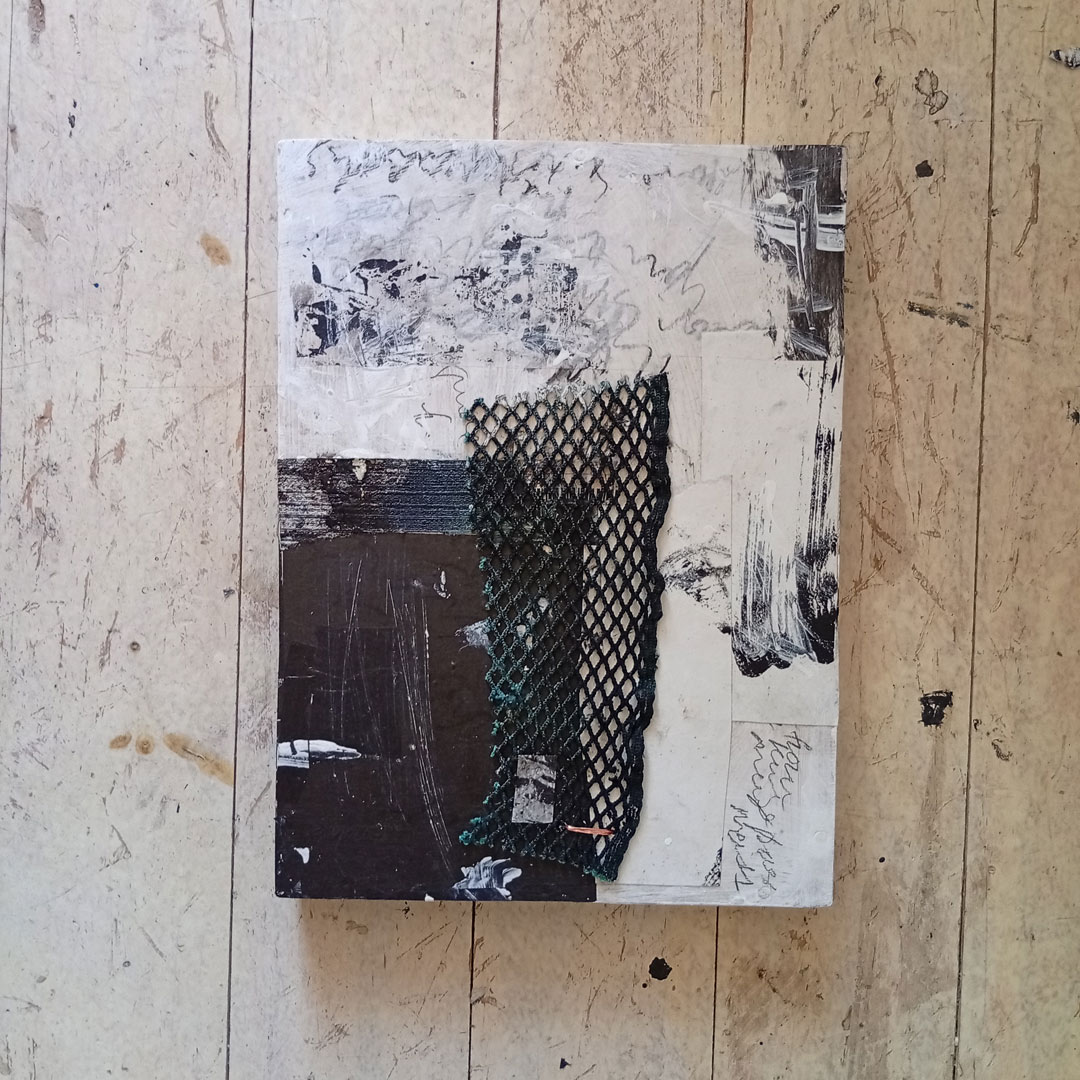
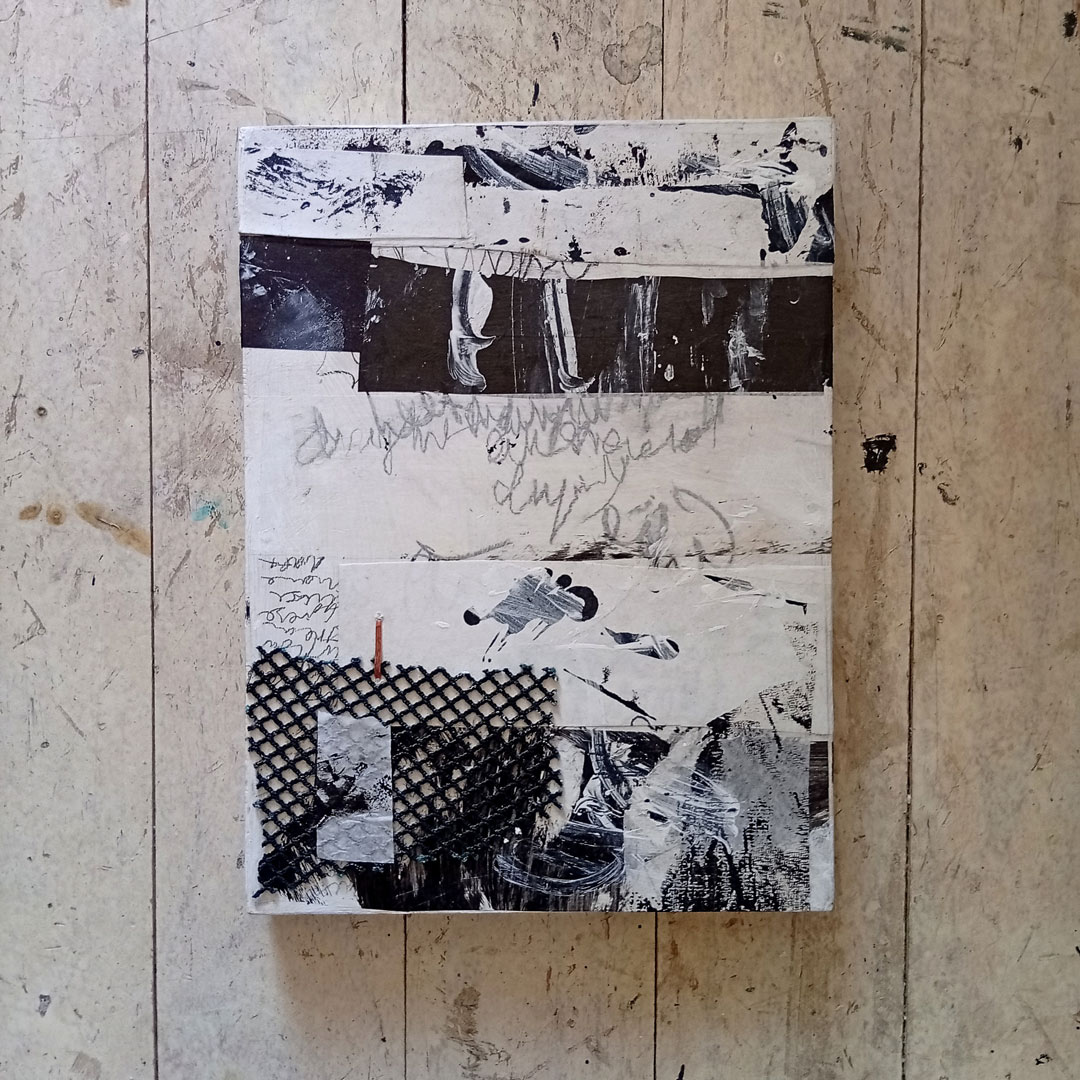
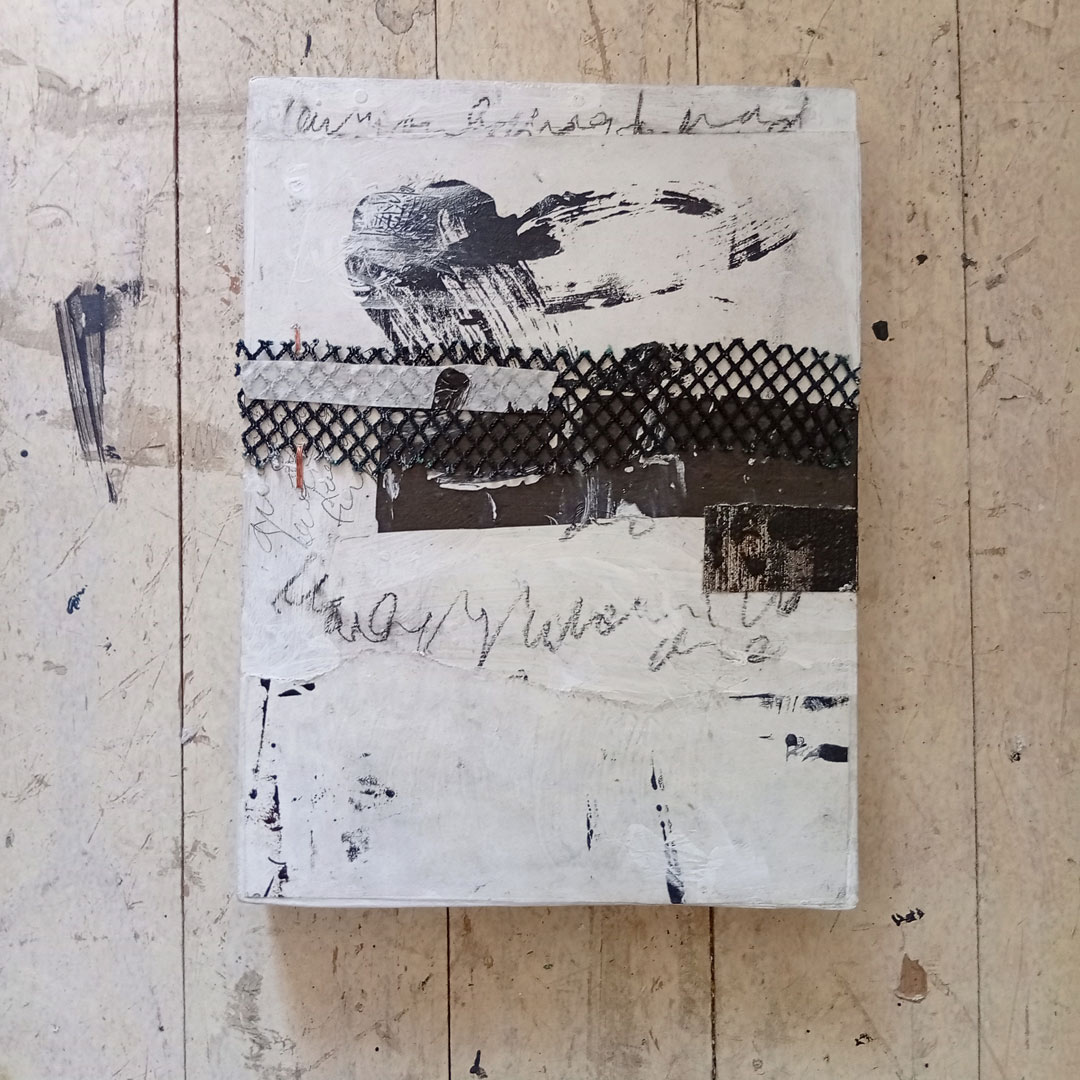
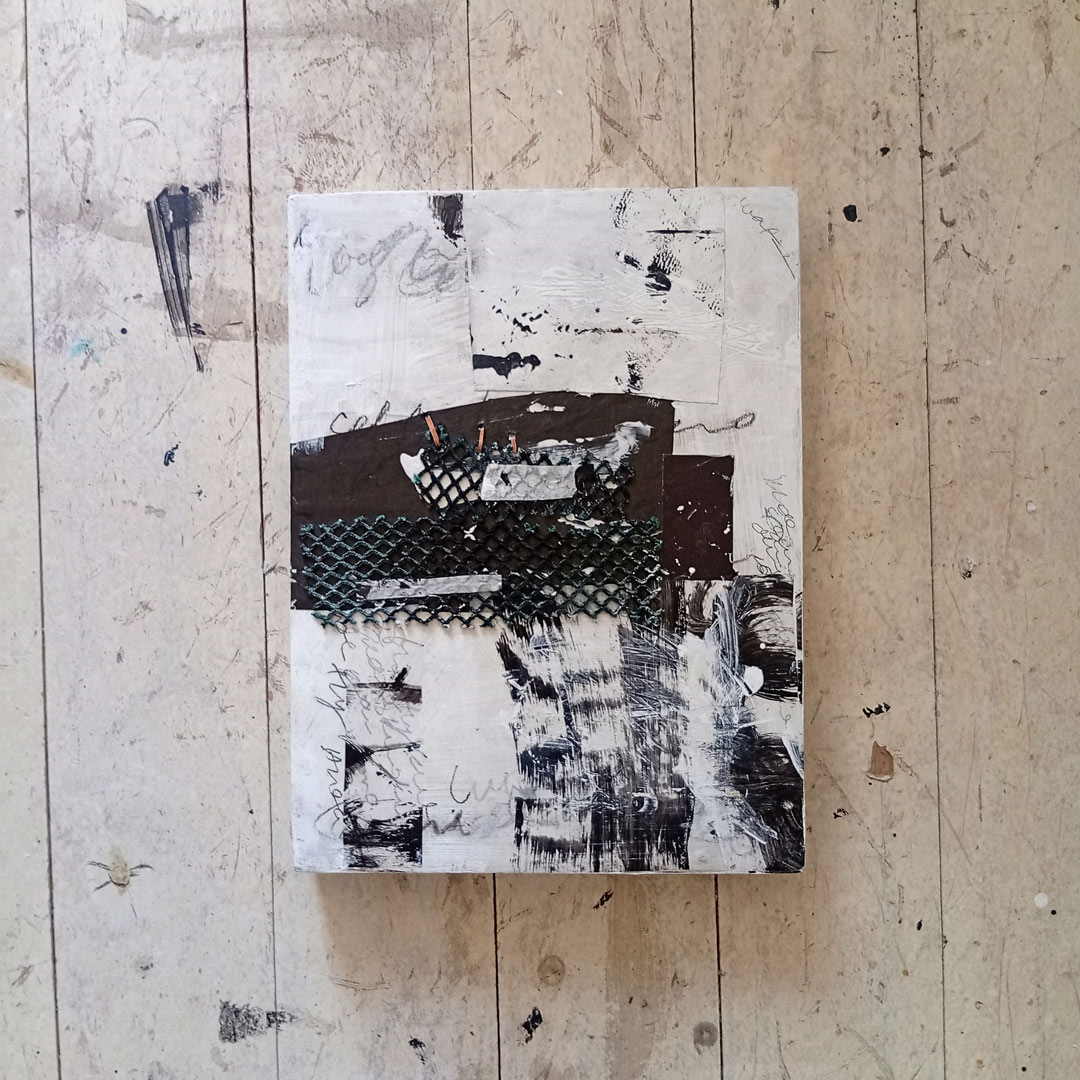
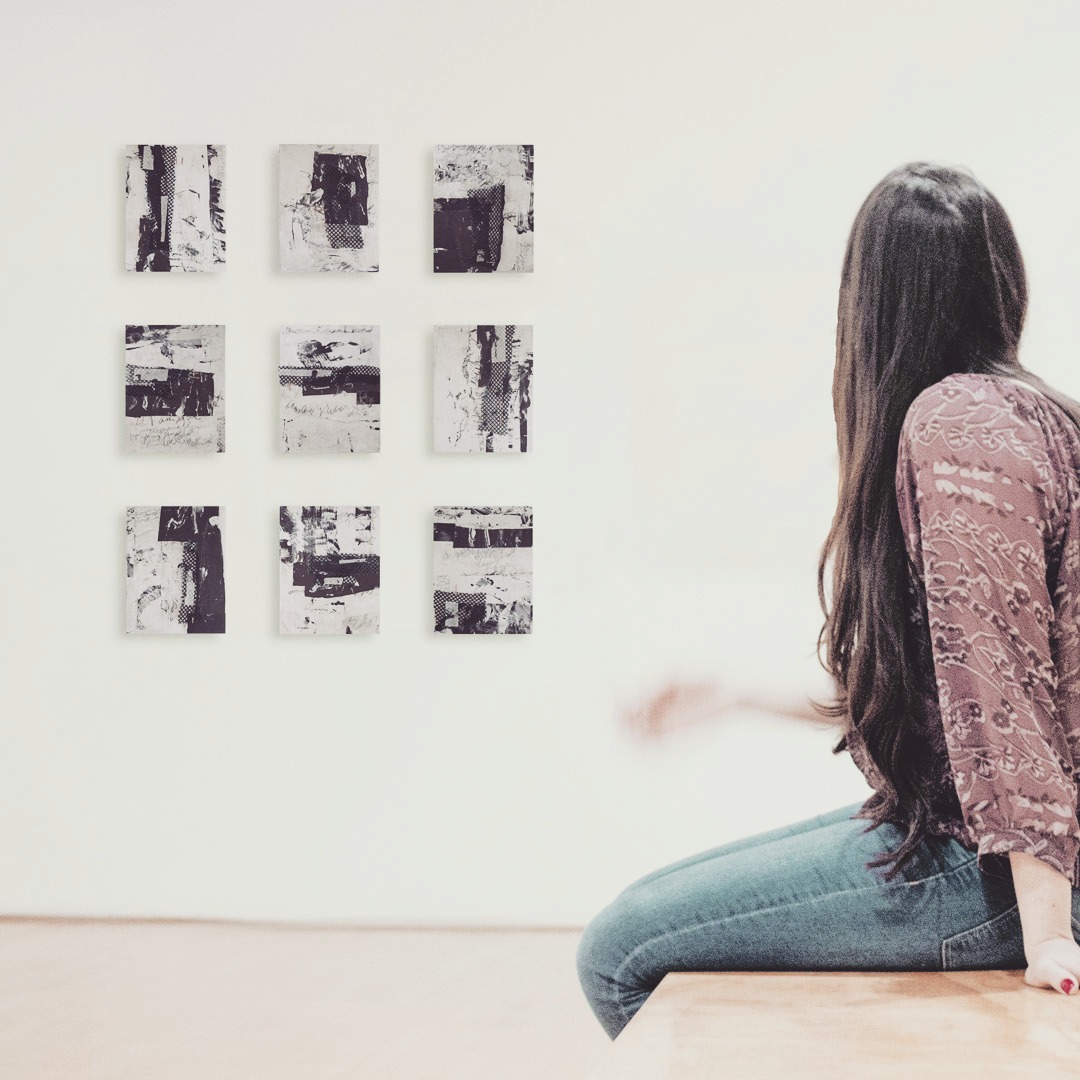
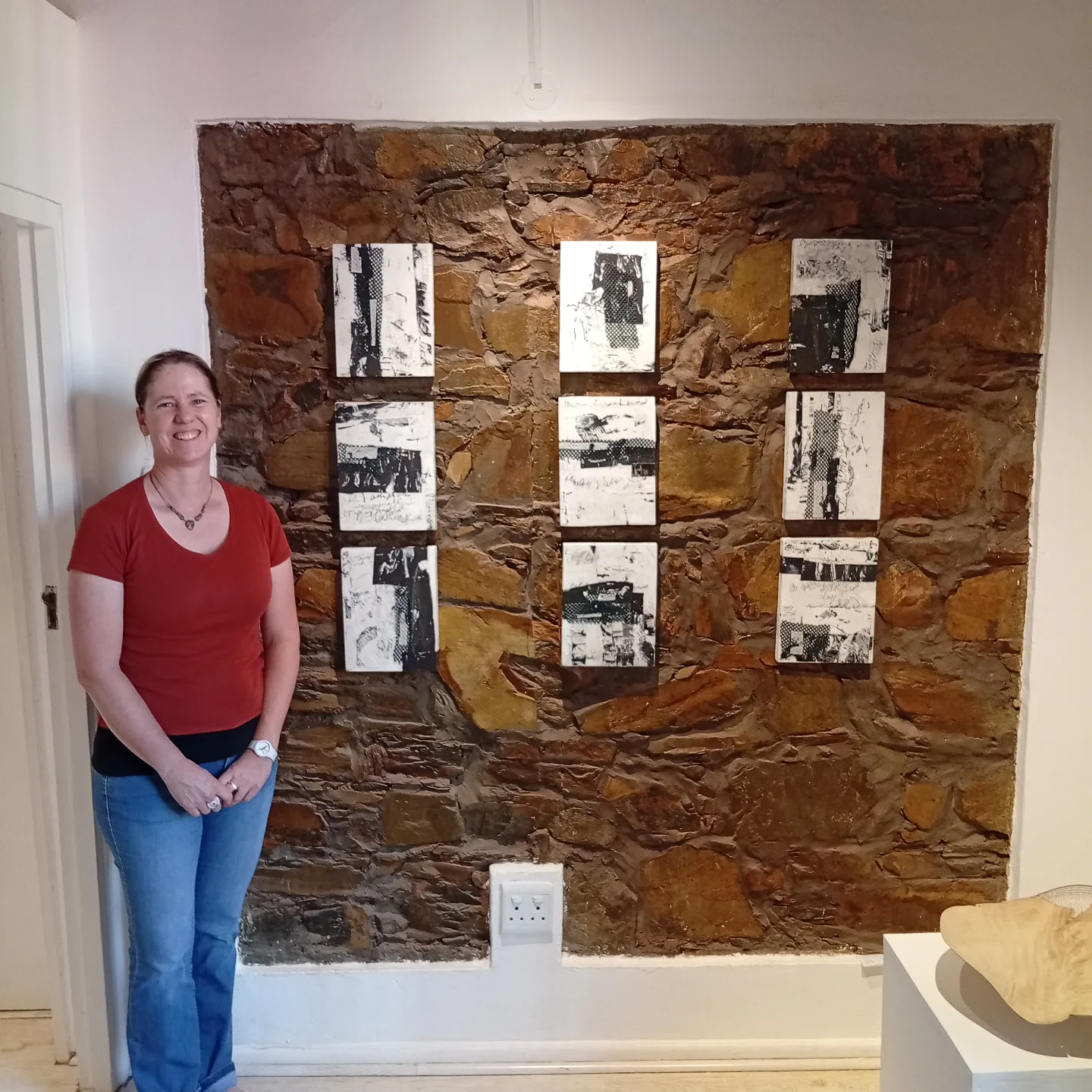
Counting the Cormorants series no. 7
2024
Mixed Media: Acrylics, Handpainted Scrap Papers, Discarded Anchovy Net, Copper Wire
Size: 21.8cm x 29cm (x 3.4cm)
Repurposed Wooden Cradle
Currently on exhibition at FDcontemporary, 16 Dixon Str, De Waterkant, Cape Town.
Please contact FDcontemporary for sales enquiries of this artwork.
This artwork forms part of the 17 wood panels that work really well as singles, but are so impactful when displayed in multiples in a grid formation.
Imperfect copper stitches desperately holding everything together – how are we going to solve all these issues? The intertwined and total dependency of humans on nature; and yet we act like it is a something we own. If so many sea birds like Cape Cormorants are endangered due to food scarcity (the very same food we eat), shouldn’t that be a sign for us?
ARTIST STATEMENT: Counting the Cormorants Series
Counting the Cormorants is an ongoing artwork series that began with my unsuccessful attempts to count Cape Cormorants along the shoreline – endemic seabirds that sweep across the West Coast skies, often in endless black lines.
I would sit for hours, watching them glide across the horizon: ocean and sky divided only by the dark rhythm of their flight. Let me try to count them, I thought. An impossible task.
The series is dominated by monochrome lines, finger-painted tally marks, and scribbled cormorant notations. Discarded anchovy nets are stitched with copper wire, overlaying grey areas—both literally and metaphorically.
Only later did I discover that the Cape Cormorant is classified as Endangered by the IUCN. Its population has dropped by more than 50% over the past 30 years. The reasons are complex: climate change, disease, ecosystem disruption—but at the core is food scarcity. These birds compete directly with humans for anchovies and sardines, vital protein sources along our coast.
This series is about more than endangered birds. It opens questions about what—and who—we choose to care about. Why some species are more protected or mourned, while others, less visible or charismatic, slip away unnoticed. It also reflects on the impact of industrial fishing, the precarity of small-scale fishermen, food security—and the vast entanglement of the human-environmental dilemma.
For me, in the end, the birds became a cipher for something much larger:
An ecosystem of contradictions.
Seen and unseen.
Counted and unaccountable.
A never-ending end.